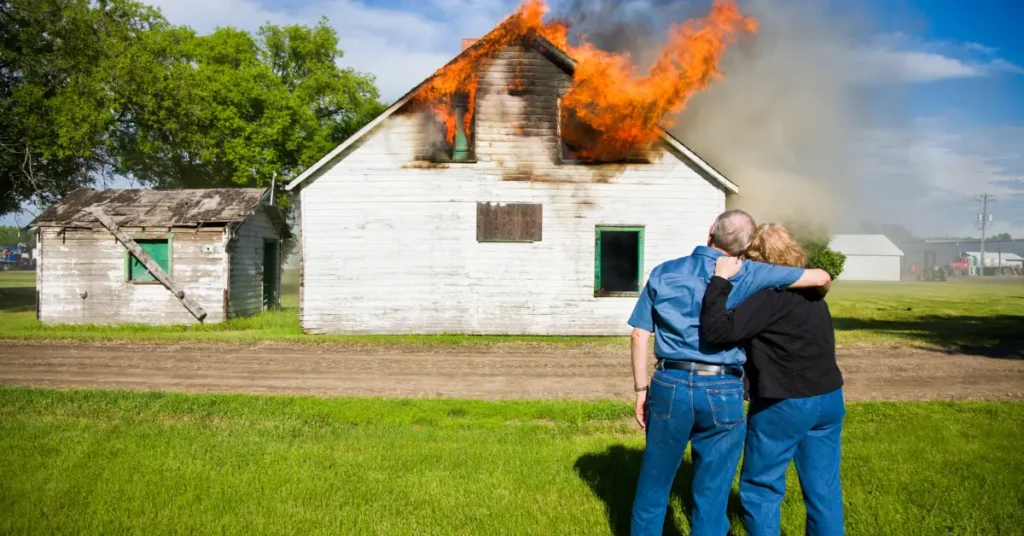
Experiencing a house fire is one of the most traumatic events a family can face. In the chaotic aftermath, knowing exactly what to do can feel overwhelming when you’re dealing with shock, loss, and uncertainty about where to start. This comprehensive checklist provides San Diego County homeowners with a clear, step-by-step roadmap for navigating the fire recovery process—from the critical first hours through complete restoration.
According to the American Red Cross, more than 60,000 home fires occur in the United States each year, with most families having just two minutes to escape safely. Once the flames are extinguished and everyone is safe, the recovery journey begins—and taking the right steps in the right order can significantly impact both your physical safety and financial outcome.
Immediate Safety: The First Hours After the Fire
Before anything else, ensure all family members and pets receive medical attention if needed. Even if injuries seem minor, fire-related health issues can appear hours or days later. Smoke inhalation causes respiratory problems that aren’t always immediately apparent. Burns, even small ones, require proper treatment to prevent infection. Call 911 or visit an emergency room if anyone experiences breathing difficulties, chest pain, burns, or any other concerning symptoms.
Do not re-enter your home until fire authorities explicitly declare it safe. Structural damage from fire and water used during firefighting can cause walls, ceilings, and floors to collapse without warning. The Red Cross recommends having a building inspector or contractor assess structural integrity before entering fire-damaged buildings.
Watch for hidden dangers when first inspection is approved. Look for loose power lines, broken gas lines, and foundation cracks on the exterior. Tap loudly on floors before stepping to warn any animals that may have entered. Check for smoke and embers throughout the home, including the attic—fires can smolder for hours or reignite from hidden embers. Never assume the danger has passed just because visible flames are gone.
Securing Your Property and Preventing Further Damage
Once authorities confirm it’s safe to approach your property, take immediate steps to secure it against weather, theft, and additional damage. Board up broken windows and damaged doorways to prevent unauthorized entry. Cover holes in the roof with tarps weighted down securely—additional water damage from rain can significantly increase restoration costs and complicate recovery.
Arrange for temporary fencing if needed to keep curious onlookers and potential looters away from your property. Fire-damaged homes become targets for theft because valuable items may still be accessible through damaged walls or entryways. Contact local police to request periodic property checks until you can restore security.
Turn off utilities at the main sources. Even if firefighters have already done this, verify that electricity, gas, and water are disconnected. Damaged utility lines pose serious safety hazards—electrocution from exposed wiring, gas leaks causing explosions, and water damage from broken pipes. Only qualified professionals should restore utility service after a fire.
Contacting Your Insurance Company
Notify your homeowners insurance company within 24 hours of the fire. Most policies require prompt notification, and delays can complicate or even jeopardize your claim. Have your policy number ready and provide basic information about the fire—when it occurred, the affected areas, and preliminary damage estimates if available.
Request immediate guidance on next steps from your insurance adjuster. Ask about temporary living arrangements and whether your policy covers hotel stays, rental housing, or relocation expenses. Many policies include “loss of use” coverage that pays for housing while your home is uninhabitable, but you need to understand the specific terms, limits, and requirements.
Document everything thoroughly before cleaning up or discarding damaged items. Take photographs and videos of all fire damage, smoke damage, water damage from firefighting efforts, and damaged belongings. Create detailed inventories listing each damaged item with descriptions, ages, and estimated values. This documentation supports your insurance claim and helps ensure fair compensation. For guidance on the insurance claims process, visit our page about financing restoration services.
Save receipts for all fire-related expenses—temporary housing, meals, clothing, toiletries, and emergency repairs. Most policies reimburse reasonable expenses incurred due to the fire, but you need documentation to receive reimbursement. Keep a detailed log of all phone conversations with insurance representatives, including dates, times, and discussion summaries.
Professional Fire Damage Assessment
While you document damage for insurance purposes, scheduling professional fire damage assessment should be a top priority. Certified fire damage restoration specialists identify problems that aren’t visible to untrained eyes—structural weakening, toxic soot contamination, and smoke penetration deep inside building materials.
IICRC-certified technicians understand fire science and how different materials react to heat, smoke, and fire suppression efforts. They assess whether structural components can be cleaned and restored or must be removed for safety reasons. This expertise prevents the costly mistake of attempting to salvage materials that pose ongoing health and safety risks.
Professional assessment includes testing for hazardous materials released during the fire. Burning plastics, synthetic materials, and household chemicals create toxic residues that settle throughout your home. Lead, asbestos, and other hazardous substances may be released from burning building materials, particularly in older homes. Only professionals with appropriate certifications and equipment should handle these contamination situations.
Request detailed written estimates outlining necessary restoration work, timelines, and costs. Professional restoration companies should provide comprehensive scope documents explaining what needs to be done and why. These estimates help you understand the full extent of damage and assist your insurance adjuster in developing accurate claim settlements. Learn about what to expect from the fire damage restoration process.
Understanding Smoke and Soot Damage
Visible fire damage is only part of the problem. Smoke and soot penetrate throughout your home, affecting areas far from the actual flames. According to research on why smoke and soot are more dangerous than flames, these invisible contaminants cause progressive damage that worsens over time if not properly addressed.
Soot contains acidic compounds that corrode metals, etch glass, and discolor fabrics. These chemical reactions continue long after the fire is extinguished, causing damage that increases daily. Metal fixtures tarnish. Electronics corrode internally. Clothing and upholstery develop permanent discoloration. Prompt professional cleaning stops these chemical reactions before they cause irreversible damage.
Smoke odors penetrate deep into porous materials—drywall, insulation, carpeting, upholstered furniture, and clothing. Simple household cleaning products can’t eliminate these embedded odors because they’re caused by molecular bonding between smoke particles and material fibers. Professional smoke odor removal uses specialized equipment and techniques to permanently eliminate smells rather than temporarily masking them.
HVAC systems require special attention after fires. Smoke and soot circulate through ductwork, contaminating the entire system and spreading particles throughout your home every time heating or air conditioning runs. Professional duct cleaning and HVAC restoration prevents ongoing contamination and protects indoor air quality during recovery.
Salvaging Your Belongings: What Can Be Saved
Not everything damaged by fire must be discarded, but determining what can be salvaged requires expertise. The EPA emphasizes that proper assessment prevents both unnecessary loss of valuable items and dangerous retention of contaminated materials that pose health risks.
Professional contents restoration specialists evaluate each category of belongings using industry standards. Non-porous items like glass, metal, and hard plastics can usually be cleaned and sanitized effectively. Porous materials including upholstered furniture, mattresses, and carpeting often cannot be adequately cleaned and pose ongoing health risks from trapped contaminants.
Valuable or sentimental items often justify specialized restoration efforts even when standard cleaning isn’t sufficient. Artwork, photographs, documents, and heirlooms may be restorable through advanced techniques like ultrasonic cleaning, ozone treatment, and specialized deodorization. Pack-out services remove these items to climate-controlled facilities where restoration specialists work to save them. Read more about contents restoration science.
Electronics require professional assessment because internal damage isn’t visible externally. Circuit boards corrode from soot and moisture. Plastic components off-gas toxic chemicals after heat exposure. Attempting to power on fire-damaged electronics without professional cleaning causes short circuits and complete failure. Specialized electronics restoration services use ultrasonic cleaning and controlled drying to salvage devices when possible.
The Water Damage Component
Firefighting efforts often cause extensive water damage that must be addressed simultaneously with fire restoration. Thousands of gallons pour into homes during fire suppression, soaking everything that flames didn’t burn. Left untreated, this water causes mold growth, structural weakening, and progressive damage that compounds fire losses.
Professional restoration companies coordinate fire and water damage restoration services simultaneously for comprehensive recovery. Industrial dehumidifiers remove moisture while fire restoration proceeds. This integrated approach prevents mold colonization while salvaging structural components and belongings damaged by both fire and water.
Mold begins growing within 24-48 hours of water exposure, making rapid drying essential. Fire-damaged materials are particularly susceptible because fire compromises material integrity, creating ideal conditions for microbial growth. Professional monitoring ensures moisture levels drop to safe ranges that prevent mold problems during the restoration process.
Temporary Living Arrangements
Most homes require weeks or months for complete fire restoration, necessitating temporary housing for displaced families. Your insurance policy likely includes loss of use coverage that pays for reasonable temporary living expenses while your home is being restored. Contact your insurance adjuster immediately to understand coverage limits, acceptable housing types, and reimbursement procedures.
Keep detailed records of all temporary living expenses including hotel or rental housing, meals eaten out, pet boarding, storage unit rentals, and additional commuting costs. Your insurance company needs documentation to process reimbursement claims. Ask about advance payments rather than reimbursement if you lack funds to cover temporary expenses upfront.
If your policy doesn’t cover temporary housing or coverage limits are insufficient, explore alternative options. The American Red Cross provides emergency housing assistance after disasters. Local churches, community organizations, and family support networks may offer housing or financial assistance. Some restoration companies work with property management companies to arrange temporary housing for displaced families.
The Reconstruction Process
Extensive fire damage often requires complete reconstruction rather than simple restoration. Walls, floors, roofing, and structural framing may need removal and replacement. Electrical and plumbing systems require upgrading to current building codes. This reconstruction phase represents your opportunity to improve your home while restoring it.
Work with restoration companies that offer integrated services—combining mitigation, restoration, and reconstruction under one contractor. This streamlined approach eliminates coordination problems between multiple contractors and ensures accountability for the complete project. Learn why single reconstruction teams provide better outcomes.
Understand the reconstruction timeline from your contractor. Significant projects may take several months from initial cleanup through final completion. Regular communication with your restoration team keeps you informed about progress, challenges, and expected completion dates. Request detailed project schedules showing major milestones and completion dates for each restoration phase.
Emotional Recovery and Support Services
Physical restoration of your home is only part of fire recovery. The emotional trauma of experiencing a house fire affects every family member differently. Children may experience nightmares, anxiety, or behavioral changes. Adults face depression, stress, and overwhelming feelings about the recovery process. These emotional responses are normal reactions to traumatic events.
Seek support from mental health professionals if fire-related stress interferes with daily functioning. Many communities offer counseling services specifically for disaster survivors. Your health insurance may cover mental health treatment related to the fire, or you may find free counseling through community organizations and religious institutions.
Maintain family routines as much as possible despite displacement and stress. Regular mealtimes, bedtimes, and family activities provide stability and normalcy during chaotic recovery periods. Include children in age-appropriate ways in recovery planning so they feel informed and involved rather than scared and excluded.
Connect with other fire survivors through support groups or online communities. Sharing experiences with others who understand the unique challenges of fire recovery provides emotional validation and practical advice. The Red Cross and local fire departments often facilitate survivor support groups in communities.
Preventing Future House Fires
Once restoration completes and you return home, implementing fire prevention measures protects against future disasters. Install interconnected smoke alarms on every level of your home, inside bedrooms, and outside sleeping areas. Test alarms monthly and replace batteries annually or as needed. Modern photoelectric smoke alarms detect smoldering fires more quickly than older ionization models.
Create and practice a fire escape plan with your family. Establish two exit routes from every room and designate an outdoor meeting place where everyone gathers after escaping. Practice the plan regularly so every family member knows exactly what to do during a fire emergency. The Red Cross offers resources for developing comprehensive fire escape plans.
Address common fire hazards throughout your home. Maintain heating equipment properly. Never leave cooking unattended. Store flammable materials safely away from heat sources. Use extension cords appropriately and avoid overloading circuits. Keep fire extinguishers accessible and ensure family members know how to use them. For specific fire prevention strategies, review home fire safety and prevention tips.
Your Path to Complete Fire Recovery
Recovering from a house fire is a marathon, not a sprint. The journey from the traumatic fire event through complete restoration requires patience, persistence, and professional expertise. Following this comprehensive checklist ensures you address critical safety issues, protect your insurance interests, and achieve complete recovery rather than partial repairs that leave lasting problems.
For San Diego County residents in Carlsbad, Oceanside, Escondido, and surrounding communities, local IICRC-certified fire damage restoration specialists understand the unique challenges our region presents. From coordination with local building departments to sourcing materials appropriate for our climate, experienced local professionals guide you through every step of fire recovery with expertise and compassion.
Don’t navigate fire recovery alone. Contact professional fire damage restoration services immediately after a house fire for comprehensive assessment, insurance coordination, and expert restoration that returns your home to pre-loss condition—or even better. The road to recovery starts with that first phone call.