Moisture Detection and Drying for San Diego Properties
Water may remain inside walls, flooring, ceilings, cabinets, insulation, and framing even after the visible water is gone. Our team identifies affected materials, sets up the appropriate drying equipment, monitors moisture levels, and explains what your property may need next.
Structural Drying | Moisture Control | Dehumidification | Air Movers | Restoration Planning
Removing standing water does not always remove moisture held inside drywall, flooring, cabinets, insulation, framing, and other building materials. We measure the affected areas, place drying equipment based on the materials involved, and monitor the moisture until the drying goal is reached.
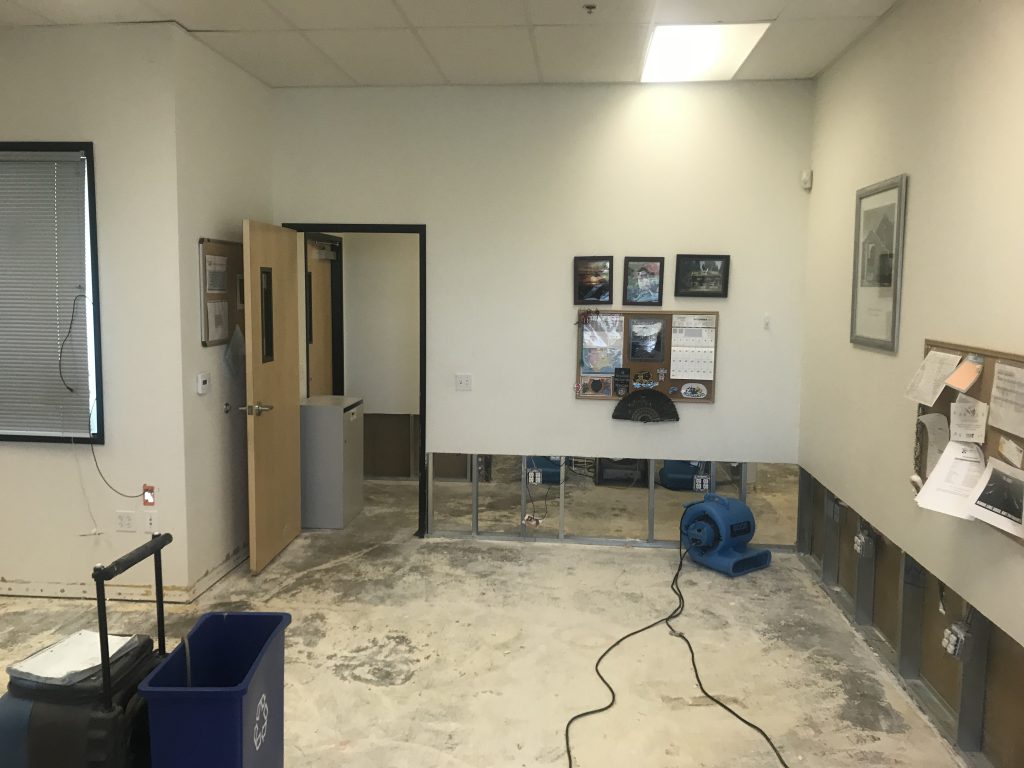
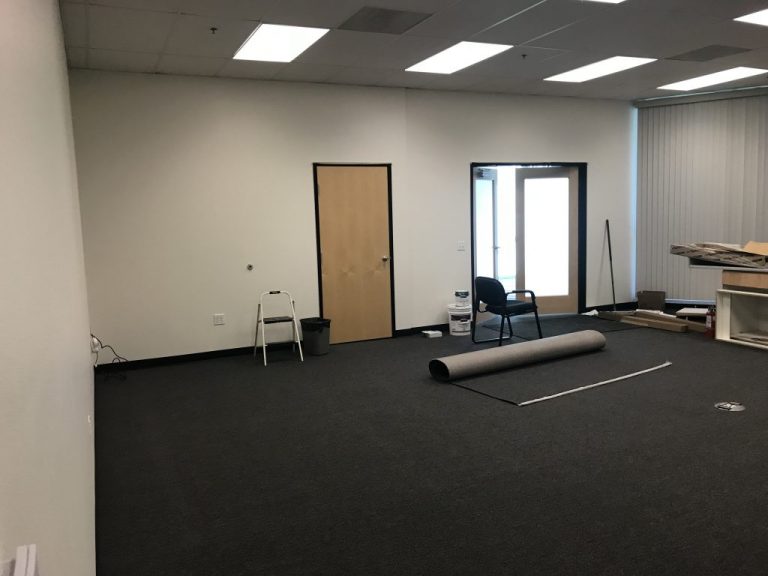
A room can look dry while moisture remains beneath flooring, behind walls, above ceilings, or inside cabinets and insulation. These signs may mean the structure still needs professional drying before repairs or painting begin.
Drywall, ceilings, trim, and baseboards that remain damp may need moisture readings and additional drying.
Warped flooring, raised edges, swollen cabinets, or separating baseboards can point to water below or behind the surface.
Heavy indoor air or a continuing musty smell may mean moisture remains inside the room or its materials.
Bubbling paint, staining, soft drywall, or changing texture can be signs that water moved beneath the finished surface.
Structural drying is not based on how a surface looks or feels alone. We inspect the affected materials, record moisture levels, place equipment where it is needed, and check the drying progress until the area is ready for the next step.
We check walls, ceilings, flooring, cabinets, baseboards, insulation, and nearby materials to identify where water may still be held.

Air movers and dehumidifiers are placed according to the affected materials, room conditions, airflow, and moisture readings.

We return during the drying period to check the readings and adjust the equipment when the conditions require it.
Once the target areas reach the appropriate drying level, we review the results and explain whether cleanup, repairs, mold inspection, or reconstruction is still needed.
We provide available drying documentation and help you understand what must happen before walls, flooring, ceilings, or other materials are repaired or closed.
Our reputation has grown through five-star feedback, customer referrals, and San Diego property owners who trusted us during stressful water-damage situations. We explain the moisture readings, keep customers informed during drying, and stay involved until they understand what the property needs next.
Many customers hear about us from past clients, neighbors, property managers, insurance professionals, and local businesses.
We help you understand where moisture was found, how the drying equipment is being used, and what the readings show as the materials dry.
Our team keeps the drying area organized and works carefully around belongings, unaffected rooms, tenants, employees, and daily activity.
We review the drying results and guide you through any remaining cleanup, repairs, documentation, or reconstruction.

 Trustindex verifies that the original source of the review is Google.
 Trustindex verifies that the original source of the review is Google.
 Trustindex verifies that the original source of the review is Google.
 Trustindex verifies that the original source of the review is Google.
 Trustindex verifies that the original source of the review is Google.
 Trustindex verifies that the original source of the review is Google.
 Trustindex verifies that the original source of the review is Google.
 Trustindex verifies that the original source of the review is Google.
 Trustindex verifies that the original source of the review is Google.
 Trustindex verifies that the original source of the review is Google.








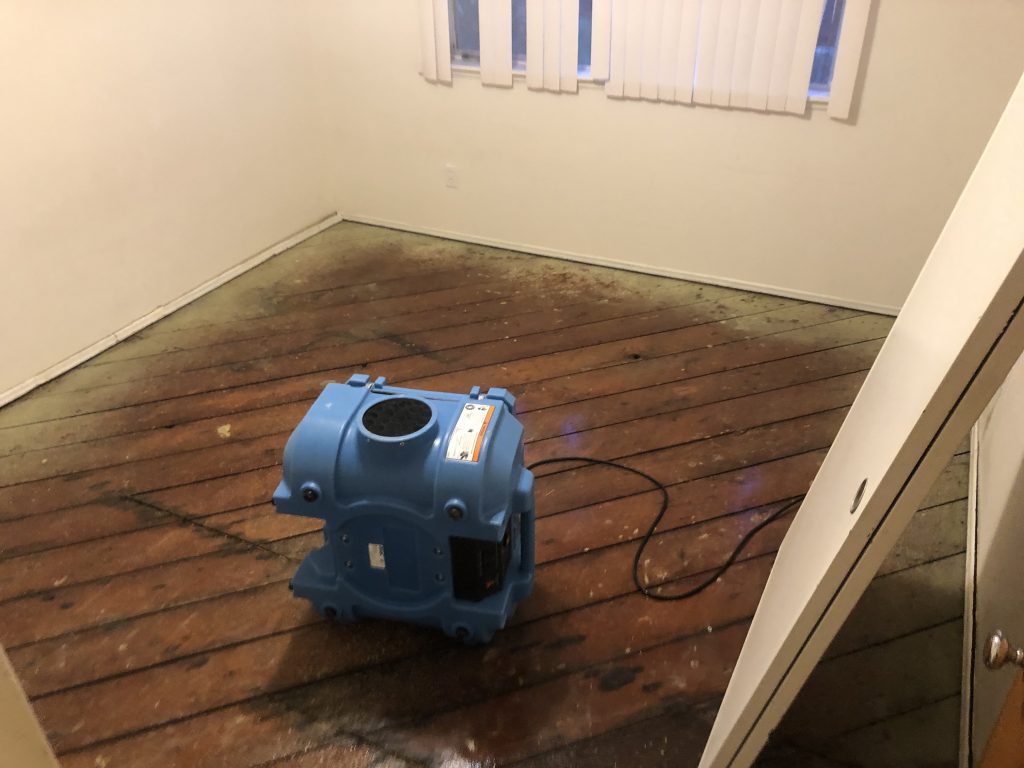
Moisture can remain trapped after slab leaks, roof leaks, appliance failures, plumbing breaks, stormwater intrusion, and incomplete water removal. Coastal humidity, enclosed rooms, limited airflow, older plumbing, and layered flooring can also slow the natural drying process in some San Diego properties.
We check where the water traveled and how the affected materials are responding instead of assuming the room is dry because the surface no longer looks wet.
We provide structural drying for homes, condos, rentals, HOAs, businesses, and commercial buildings throughout San Diego County. Our team checks wet materials, sets up drying equipment, and monitors the affected areas until the drying work is complete.
Your insurance company may request photos, moisture readings, equipment records, affected-material details, and an explanation of the drying work.
We document available moisture information, drying progress, equipment use, and the condition of affected materials. We do not determine coverage or approve claims, but we can provide available records for you to share with your adjuster.
These guides, safety resources, and related services can help customers understand hidden moisture, drying timelines, wet drywall, and what may be needed after structural drying.
Structural drying helps remove trapped moisture from walls, flooring systems, ceilings, insulation, and framing before long-term deterioration and hidden damage continue spreading.
Water can penetrate deep into drywall, subflooring, ceiling cavities, insulation, and structural framing where moisture may remain even after surfaces appear dry.
Wall cavities, flooring systems, ceilings, crawl spaces, insulation, and other enclosed structural areas often require specialized drying and dehumidification equipment.
Structural drying equipment helps stabilize humidity levels, accelerate moisture removal, reduce microbial growth risks, and protect water-damaged materials from ongoing deterioration.
Fast structural drying services help reduce restoration costs, support insurance claim documentation, improve recovery timelines, and minimize long-term moisture and structural damage after water intrusion events.

We offer a full suite of restoration services across San Diego County—all performed by our in-house team of licensed, bonded, and IICRC-certified professionals.
Water damage removal, water extraction, flood damage removal, and structural dry out services.
Facility inspection and detection using state of the art technology and thorough remediation.
We employ contents specialists to protect, restore and store your possessions.
The expertise to reconstruct your home or business better than its original state.
Our fire restoration repair team provides the highest quality fire damage restoration