Disaster Reconstruction | Property Rebuild | Recovery Planning
Disaster reconstruction is needed when cleanup and small repairs are not enough to restore the property. It focuses on rebuilding damaged or destroyed areas after mitigation, drying, mold cleanup, debris removal, smoke cleanup, or emergency protection has been completed. Christian Brothers helps San Diego property owners move from damage assessment to documentation, material removal, reconstruction planning, and rebuild support.
Disaster Reconstruction | Structural Repair | Material Replacement | Rebuild Planning | Insurance Documentation
Disaster reconstruction is needed when a property has damaged materials or structural areas that must be rebuilt after a major loss. This may include walls, ceilings, flooring systems, framing, roofing, insulation, drywall, cabinets, electrical systems, plumbing, HVAC components, and interior finishes.
Christian Brothers provides disaster reconstruction throughout San Diego County for residential and commercial properties. Our team helps inspect the damage, review safety concerns, coordinate cleanup before rebuilding, remove damaged materials when needed, document the loss, and plan reconstruction work.
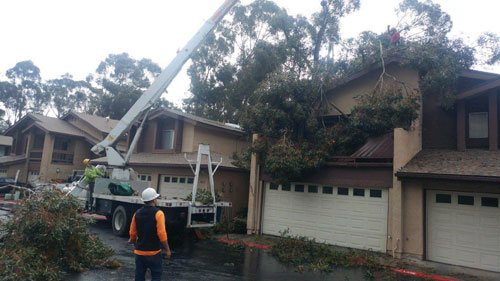
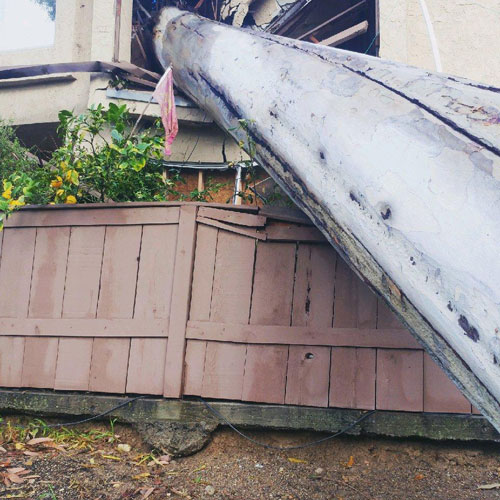
Disaster reconstruction should be reviewed when the property has major damage that cannot be fixed with basic cleaning or small repairs. If a fire, flood, storm, mold issue, or structural event damaged important building materials, reconstruction may be needed before the property can be safely used again.
If a disaster affected drywall, ceilings, flooring systems, framing, load-bearing areas, roof sections, or structural materials, the property may need reconstruction instead of basic repair.
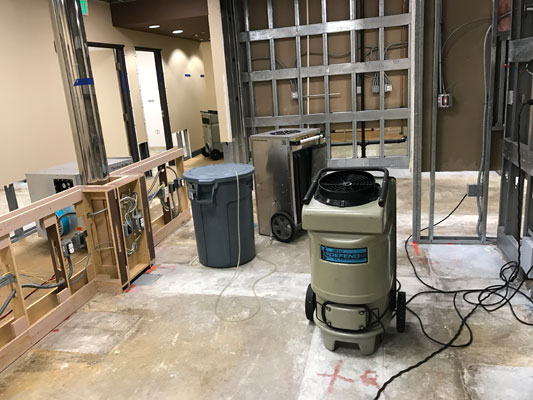
Some disasters require damaged rooms to be opened, cleared out, or stripped down before rebuilding begins. If large sections of drywall, insulation, flooring, cabinets, or framing were removed, reconstruction may be the next step.
Major losses often involve more than one type of damage. A fire may also cause smoke, soot, odor, and water damage. A flood may lead to structural moisture and mold concerns. A storm may cause roof damage, water intrusion, and interior repairs.
If parts of the property are exposed, unstable, wet, contaminated, or unfinished after mitigation, reconstruction may be needed to rebuild the space and return it to usable condition.
Fire and Smoke Damage
Fire is one of the most common triggers for disaster reconstruction. Flames burn through framing, flooring, and roofing. Heat weakens structural components even in areas the fire didn’t directly touch. And the water used to extinguish the fire adds a second layer of damage that often requires its own reconstruction work.
Our San Diego fire damage restoration team handles cleanup and mitigation before disaster reconstruction begins — because rebuilding over smoke-contaminated materials traps hazardous residue inside your home permanently. Our post on why smoke and soot are more dangerous than the flames explains what’s at stake if that step gets rushed.
Water and Flood Damage
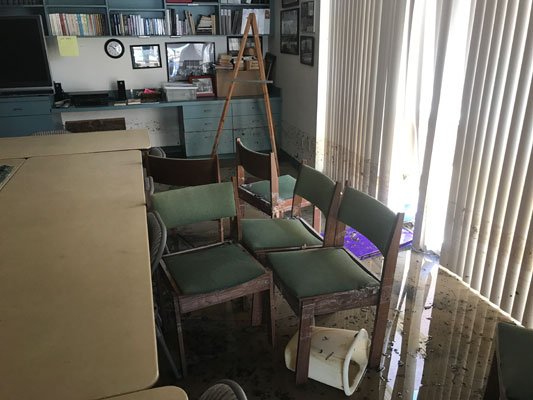
Water is slow and thorough in the damage it causes. When it sits inside walls, under floors, or in a flooded basement, it weakens wood framing, corrodes metal fasteners, destroys drywall, and creates conditions for mold growth. Disaster reconstruction after water damage means replacing those compromised materials and rebuilding the structure correctly.
Our San Diego water damage and flooding page covers the full scope of what water can do to a structure. The EPA notes that prolonged moisture exposure compromises building material integrity — which is exactly why disaster reconstruction is sometimes necessary even when the flooding event itself seemed manageable.
Mold Damage
Severe mold contamination can reach the point where surface treatment isn’t enough. When mold has grown deep into structural framing, subfloor systems, or insulation, disaster reconstruction — full removal and replacement of those materials — is the only safe solution. Our post on health risks when mold restoration isn’t done right explains what happens when this work is skipped or done poorly.
Storm and Structural Damage
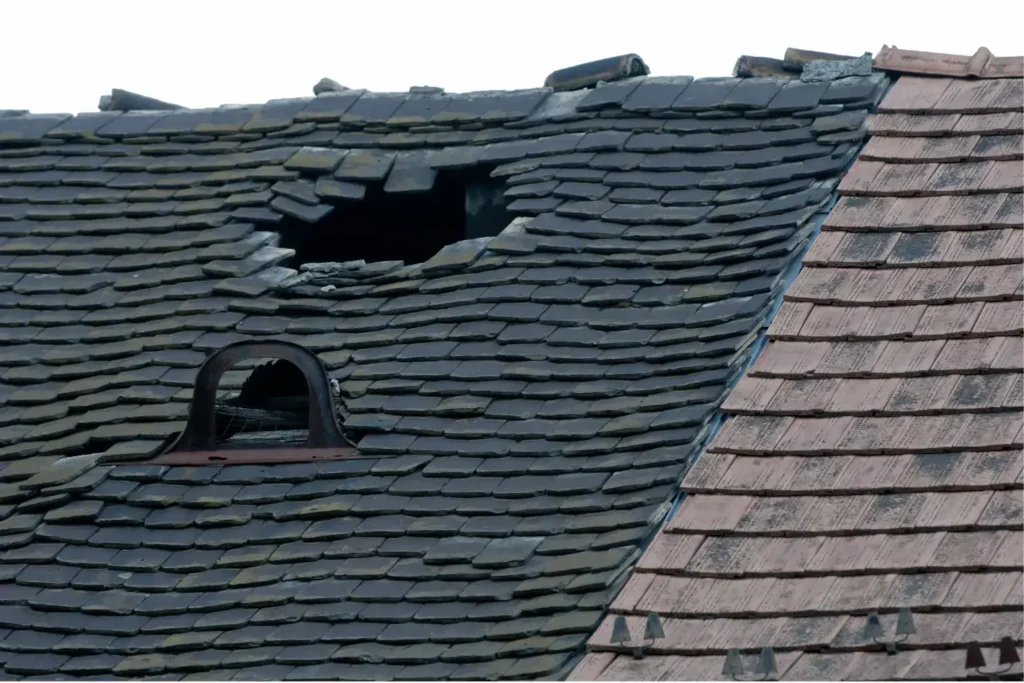
High winds, falling trees, and major storm events can cause immediate, visible structural failures. Collapsed roofing, broken load-bearing walls, and compromised foundations all require disaster reconstruction — not just repairs. When structural safety is in question, the work has to be done correctly and completely. Our blog on structural damage reconstruction and safety covers the standards that guide this work.
Wildfire Damage
San Diego’s wildfire history makes this a specific category worth addressing on its own. Wildfire events often affect entire neighborhoods — and the damage goes beyond what’s visibly burned. Ember penetration into attic spaces, smoke saturation throughout wall cavities, and heat damage to structural components can all require disaster reconstruction even in homes that appear largely intact from the outside. Our wildfire cleanup page covers the mitigation side of these events in detail.
Professional disaster reconstruction starts with understanding what caused the damage, what materials were affected, what cleanup has already happened, and what needs to be rebuilt. Christian Brothers can inspect the property, coordinate mitigation before rebuilding, review damaged materials, and explain the reconstruction plan.
The team reviews walls, ceilings, flooring systems, framing, roofing, insulation, moisture concerns, smoke contamination, mold damage, storm damage, debris, and affected building systems. This helps determine whether the property needs repair, reconstruction, or a larger rebuild plan.

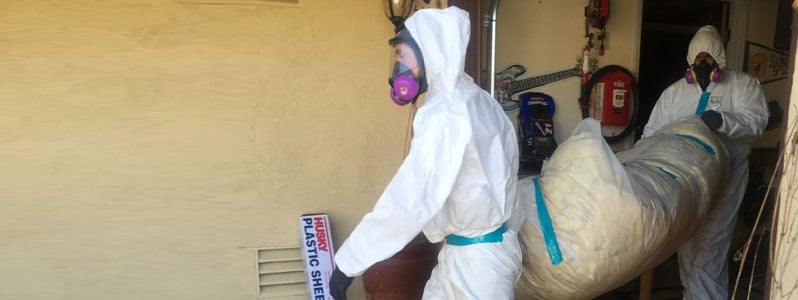
Reconstruction should not begin over soot, smoke residue, ash, wet materials, mold contamination, sewage, debris, or unstable materials. Fire cleanup, water damage restoration, drying, mold remediation, storm cleanup, or emergency protection may need to happen before rebuilding starts.

Burned, weakened, contaminated, water-damaged, or mold-damaged materials may need to be removed before reconstruction. Christian Brothers can help define what needs replacement, what may be repaired, and what areas need rebuilding.
Disaster reconstruction may include rebuilding walls, ceilings, rooms, flooring systems, framing, roof sections, drywall, insulation, cabinets, trim, and interior finishes. Electrical, plumbing, HVAC, and other building systems may also need review depending on the damage.
Christian Brothers can document visible damage, structural concerns, damaged materials, moisture issues, smoke contamination, mold concerns, cleanup needs, and reconstruction recommendations. This helps property owners understand the scope of work and may support the insurance claim process when documentation is needed.
Christian Brothers Emergency Building Services helps San Diego homeowners, business owners, property managers, HOAs, landlords, and commercial property owners rebuild after serious property damage. Our team works with reconstruction needs caused by fires, floods, burst pipes, storm damage, mold contamination, roof damage, water intrusion, structural damage, and other major property loss events.
We understand that disaster reconstruction can feel overwhelming because it may involve cleanup, insurance documentation, damaged materials, building systems, and rebuilding decisions. Our goal is to inspect the damage, explain what needs to be rebuilt, coordinate the right sequence of work, and help you move toward a safe and usable property again.
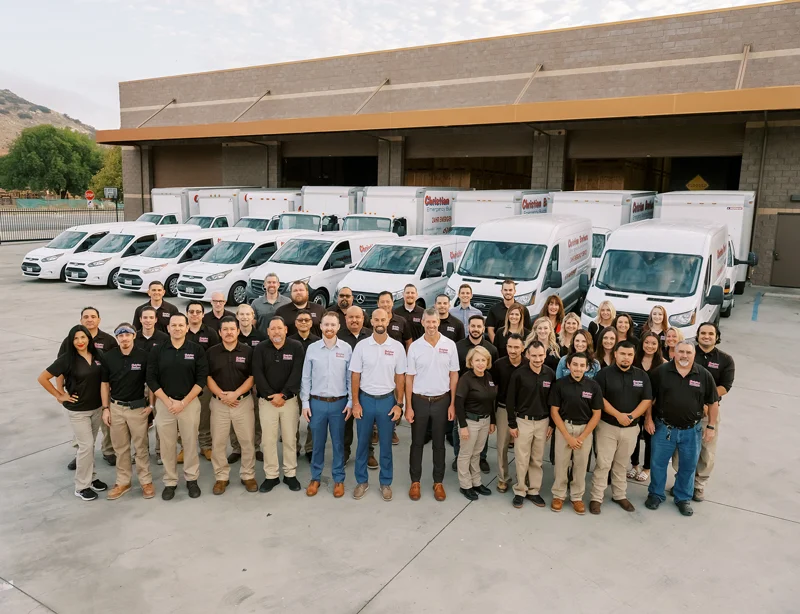
From the first assessment to mitigation coordination and reconstruction planning, Christian Brothers helps property owners move forward with clear communication and practical next steps.
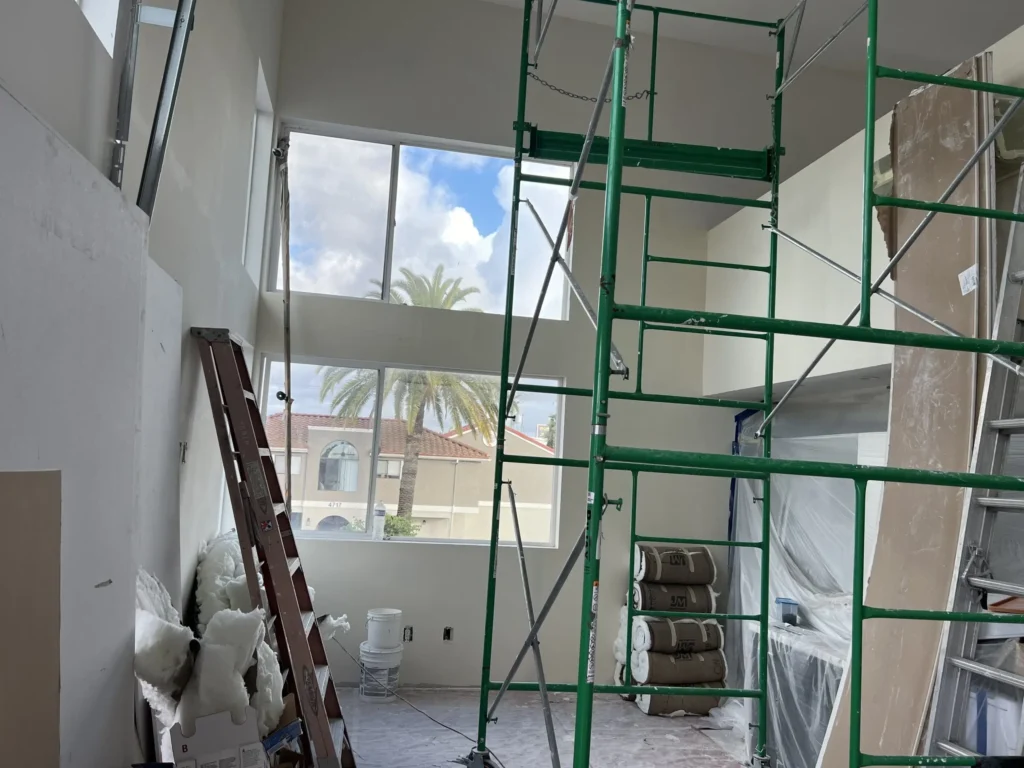
Disaster reconstruction is serious because damaged structural materials cannot always be saved with cleaning, drying, or small repairs. In San Diego homes, condos, apartments, offices, restaurants, warehouses, and managed buildings, disasters can affect framing, ceilings, rooflines, flooring systems, drywall, insulation, electrical systems, plumbing, HVAC components, cabinets, and interior finishes.
San Diego properties may need reconstruction after fires, flooding, storm damage, severe water damage, mold contamination, structural failures, roof damage, or wildfire-related property damage. Professional reconstruction planning helps identify what must be rebuilt and helps prevent new materials from being installed over moisture, mold, smoke residue, or weakened building components.
Disaster reconstruction may be needed after a major property loss damages structural areas or removes materials that cannot be safely reused. Before rebuilding begins, the affected areas should be reviewed so mitigation, drying, cleanup, material removal, and repair planning happen in the right order.
San Diego’s geography, climate, and wildfire history create specific disaster reconstruction challenges that our team has dealt with directly for over two decades.
Inland communities like Escondido and Poway sit in high-risk wildfire corridors. Disaster reconstruction in these areas frequently involves attic-level smoke damage, ember penetration into roof assemblies, and heat damage to structural components that don’t look compromised from the outside. Coastal areas like Oceanside and Encinitas add marine layer humidity into the equation — moisture management during disaster reconstruction is critical in these communities to prevent mold developing inside newly reconstructed wall cavities.
East County communities including El Cajon, Santee, and La Mesa receive full disaster reconstruction services with 24/7 availability. South Bay areas including Chula Vista and National City are fully covered. Properties in La Jolla and Rancho Bernardo receive disaster reconstruction matched to higher-end materials, custom finishes, and elevated structural standards.
See our full service areas page for complete coverage details across San Diego County.
Disaster reconstruction focuses on rebuilding parts of the property that were destroyed, removed, weakened, contaminated, or unsafe after a major loss. This may include walls, ceilings, flooring, framing, roof sections, rooms, cabinets, drywall, insulation, and interior finishes.
Disaster restoration is the broader recovery process. It may include emergency response, mitigation, water removal, drying, mold remediation, smoke and soot cleanup, odor control, contents support, repair planning, and reconstruction. If the property needs rebuilding, reconstruction may become one part of the larger restoration plan.
Yes. Reconstruction should not begin before the source of damage and affected materials are addressed. Building over soot, smoke residue, mold contamination, sewage, wet materials, or storm debris can create future odor, moisture, contamination, and repair problems.
Before reconstruction begins, the property may need fire damage cleanup, water damage restoration, structural drying, mold remediation, smoke damage restoration, soot removal, sewage cleanup, emergency board-up, or pack-out support.
Disaster reconstruction after a covered event is typically included in a standard homeowners or commercial property policy. But managing a major claim while also overseeing a full rebuild is genuinely overwhelming.
Our team handles the documentation your carrier needs — structural damage assessments, scope of work, material specs, photo evidence, and cost breakdowns — in the format insurers require. We’ve worked with every major insurance company operating in San Diego and know how to keep disaster reconstruction claims moving without unnecessary delays.
The California Department of Insurance provides homeowner guidance on disaster claims that’s helpful for understanding your rights throughout the disaster reconstruction process.
If there’s a gap between what your policy covers and the actual cost of disaster reconstruction, our financing options page and our post on managing restoration costs when insurance falls short both offer practical options. Our FAQ page also addresses common insurance questions that come up during disaster reconstruction projects.
Helpful information for homeowners and businesses dealing with fire damage, smoke odor, soot residue, damaged materials, and property recovery throughout San Diego County.
Disaster reconstruction may be needed when fire, water, mold, storm, smoke, sewage, or structural damage affects walls, ceilings, flooring, framing, roof sections, rooms, or building systems. Christian Brothers provides disaster reconstruction in San Diego for property owners who need careful assessment, clear communication, and dependable rebuild support.
If your property has major damage or large areas that need to be rebuilt, our team is ready to inspect the damage and help guide the reconstruction process.
When damage affects structural components or multiple systems at once, repair alone is no longer sufficient. Situations involving fire, prolonged water exposure, or severe structural impact often require rebuilding portions of the property. Disaster reconstruction addresses damage that cannot be safely restored.
Disaster recovery typically follows three stages: mitigation, restoration, and reconstruction. Reconstruction is the final phase, where damaged or destroyed parts of the property are rebuilt. Each phase depends on the previous one being completed properly.
Events like fires, flooding, mold contamination, storms, and structural failures are the most common causes. These situations can compromise framing, flooring systems, roofing, and internal systems. Disaster reconstruction is designed to restore the property after these major impacts.
Reconstruction projects involve multiple phases, including assessment, site preparation, rebuilding, system restoration, and finishing work. Timelines vary depending on the extent of damage and scope of rebuilding. Working with one coordinated team helps keep the process organized.
Yes, emergency response is available 24/7 to begin stabilization and planning for disaster reconstruction. Early action helps secure the property and prevent further damage before rebuilding starts. Quick response allows the recovery process to move forward efficiently.

We offer a full suite of restoration services across San Diego County—all performed by our in-house team of licensed, bonded, and IICRC-certified professionals.
Water damage removal, water extraction, flood damage removal, and structural dry out services.
Facility inspection and detection using state of the art technology and thorough remediation.
We employ contents specialists to protect, restore and store your possessions.
The expertise to reconstruct your home or business better than its original state.
Our fire restoration repair team provides the highest quality fire damage restoration