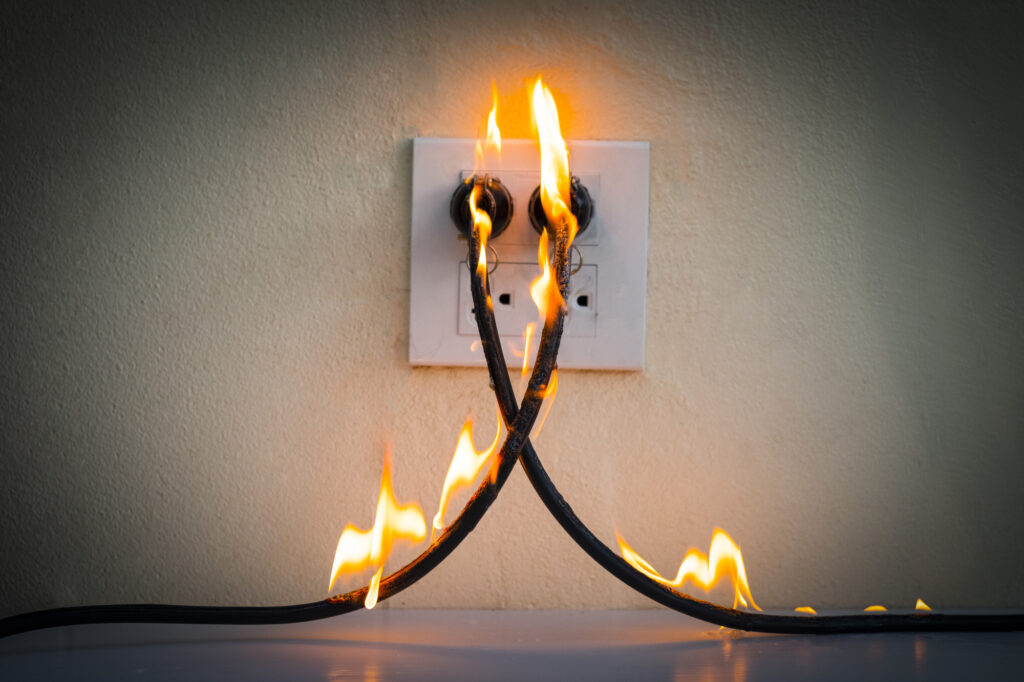
When a fire damages a home, the most obvious and dramatic destruction is caused by the flames themselves. But long after the fire is extinguished, a more persistent and dangerous problem can remain—smoke and soot damage.
The residue left behind after a fire is far more than a layer of dirt or ash. Smoke particles and soot contain acidic chemicals that can spread throughout the home and cause long-term structural damage, lingering odors, and potential health hazards. Even in areas that never came into direct contact with flames, smoke contamination can penetrate walls, ceilings, insulation, and furniture.
Understanding the hidden risks of smoke contamination is essential for homeowners after a fire. In many cases, proper smoke damage restoration and professional cleanup are necessary to fully remove harmful residue and restore a safe living environment.
The Corrosive Power of Soot
After a fire, microscopic smoke particles travel throughout the structure and settle on nearly every surface. This fine residue is known as soot, and it can quickly spread through ventilation systems, wall cavities, and open areas of the home.
Soot forms when materials such as wood, plastics, fabrics, and synthetic household items burn. These materials release chemical compounds that attach to soot particles and settle on surfaces like walls, ceilings, furniture, appliances, and flooring.
One of the most dangerous aspects of soot is that it can be highly acidic. Within minutes of a fire, soot residue can begin to:
- Tarnish metal fixtures
- Discolor painted surfaces
- Stain countertops and flooring
- Etch glass surfaces
- Damage wood finishes
Over time, this acidic residue can cause permanent surface damage if it is not properly removed. This is why soot damage cleanup must begin quickly to prevent corrosion and long-term deterioration.
In many cases, homeowners attempt basic cleaning methods, but removing soot safely requires specialized products and techniques. Professional restoration teams understand how to clean smoke damage without spreading the residue or damaging surfaces further.
If soot has spread throughout your home, specialized Soot Removal services may be necessary to properly clean affected materials such as walls, ceilings, and structural surfaces.
The Pervasive Odor and Serious Health Risks
Smoke particles are incredibly small—often smaller than bacteria. Because of their size, they can penetrate deep into porous materials throughout the home.
Smoke contamination commonly spreads into:
- Drywall and wall cavities
- Insulation
- Carpets and padding
- Furniture and fabrics
- HVAC duct systems
This deep penetration is why smoke odors often remain long after a fire has been extinguished. Standard cleaning methods rarely eliminate these odors because the particles are embedded deep within building materials.
Beyond unpleasant smells, lingering smoke residue can pose serious health risks. The health risks of smoke damage may include respiratory irritation, asthma flare-ups, headaches, and skin irritation, especially for children, elderly individuals, and those with existing respiratory conditions.
Airborne soot particles can remain suspended in indoor air and may be inhaled deep into the lungs. Without proper smoke damage cleanup, these particles can continue circulating through the home’s ventilation system.
Professional restoration teams use specialized air filtration equipment and deodorization techniques designed to remove embedded smoke particles and improve indoor air quality. In many cases, Smoke Odor Removal services are required to eliminate persistent smoke odors that have penetrated structural materials.
For additional guidance on fire prevention and safety resources in the region, homeowners can also refer to the San Diego County Fire Protection District.
Why Professional Restoration Is Not a DIY Job
Many homeowners initially attempt to handle smoke cleanup themselves, but the reality is that professional smoke damage restoration involves specialized equipment, technical knowledge, and industry-tested cleaning methods.
Proper restoration typically includes several key steps.
Damage Assessment
A restoration professional first evaluates the type and severity of smoke contamination. Different types of fires produce different soot residues. For example, fast-burning fires create dry soot, while slow smoldering fires produce sticky, oily soot that is much harder to remove.
Understanding the type of residue present helps determine the safest and most effective smoke damage cleanup strategy.
Specialized Equipment
Professional restoration companies use advanced tools that are not available through typical household cleaning methods. These may include:
- HEPA air scrubbers that capture microscopic soot particles
- Thermal fogging systems that neutralize embedded smoke odors
- Industrial deodorization equipment
- Specialized cleaning agents designed for soot removal from walls and ceilings
These tools allow restoration teams to remove soot safely while protecting delicate materials and finishes.
Comprehensive Cleaning
Smoke contamination can spread far beyond the visible damage area. A complete restoration process may include cleaning:
- HVAC ductwork
- Structural framing
- Electronics and appliances
- Furniture and textiles
- Personal belongings
Professionals can determine what items can be salvaged and what materials may need replacement. Their goal is to restore the property while preventing lingering odors or future contamination.
Your San Diego Fire Damage Restoration Experts
The damage caused by smoke and soot often continues long after the flames are gone. Without proper cleanup, acidic residue and smoke particles can continue damaging surfaces and affecting indoor air quality throughout the home.
A fast response is essential to limit long-term damage. Professional smoke damage restoration services ensure that soot is properly removed, odors are neutralized, and the property is safely restored.
Homeowners in San Diego can rely on the experienced team at Christian Brothers for expert restoration services, including Soot Removal and Smoke Odor Removal.
If you experience fire or smoke damage, their team also offers 24/7 emergency services to respond quickly and begin the restoration process.
To learn more about the long-term risks of smoke contamination, you can also read The Hidden Dangers of Smoke and Soot Damage and how professional restoration helps protect your home after a fire.