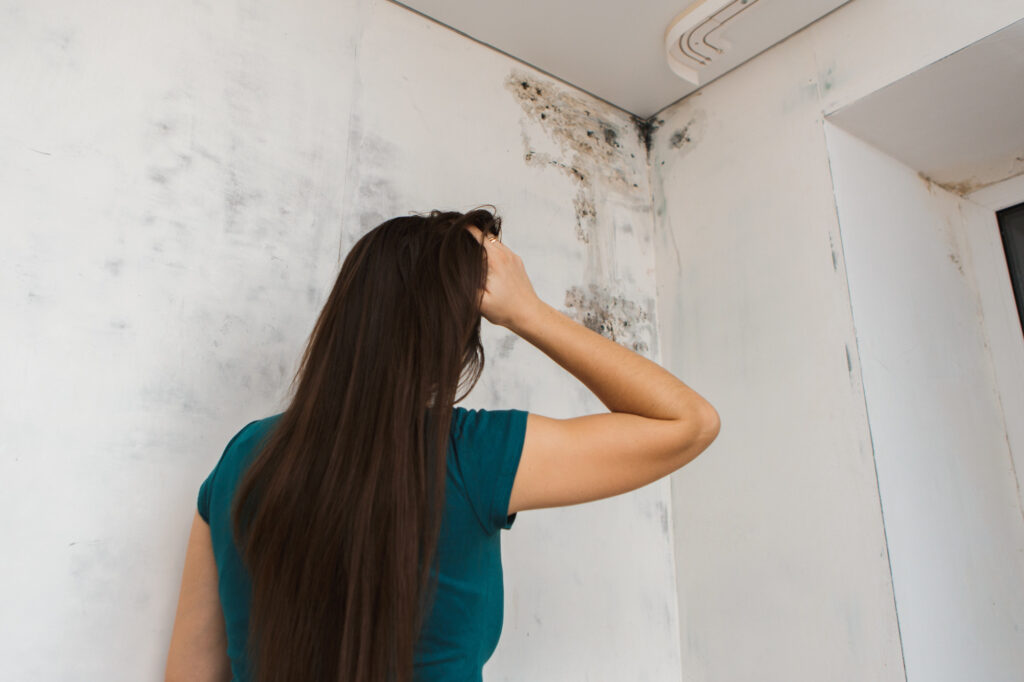
Many homeowners notice dark spots or discoloration in their homes and immediately wonder what they’re dealing with. Is it mold? Is it mildew? Understanding the difference between mold and mildew is important because each requires a different approach to cleaning and remediation.
While both mold and mildew thrive in damp environments, they vary in appearance, severity, and potential health risks. Misidentifying the problem can lead to improper cleaning—or worse, allowing a more serious issue to spread.
This guide will break down mold vs mildew differences, how to identify each, and when it’s time to call a professional.
What Is Mold and Mildew?
To understand the mold and mildew comparison, it’s important to define each one clearly.
Mold is a type of fungus that grows in thick, fuzzy patches and can appear in a variety of colors such as black, green, or even orange. It often penetrates beneath surfaces and can spread quickly if moisture is present.
Mildew, on the other hand, is a surface-level fungus that typically appears as white, gray, or light yellow patches. It is usually easier to clean and does not penetrate materials as deeply as mold.
Understanding what is mildew vs mold helps homeowners determine whether they are dealing with a minor issue or a potentially serious problem.
How to Identify Mold vs Mildew
One of the most common questions homeowners ask is how to identify mold vs mildew. While both may appear similar at first glance, there are key differences.
Appearance Differences
- Mold tends to be darker in color (black, green, or brown) and may have a fuzzy or slimy texture
- Mildew is usually lighter (white, gray, or yellow) and appears powdery or flat
Growth Patterns
- Mold spreads irregularly and can grow into porous materials
- Mildew grows in flat patches and remains on the surface
Smell
- Mold often produces a strong, musty odor
- Mildew may have a lighter, less noticeable smell
Recognizing these differences can help homeowners identify early signs of mold in house or signs of mildew in home before the problem becomes worse.
Where Mold and Mildew Typically Grow
Both mold and mildew thrive in areas with excess moisture, but they tend to appear in slightly different locations.
Common Areas for Mold:
- Behind walls and ceilings
- Inside insulation
- Under flooring
- Around leaks or water damage
Common Areas for Mildew:
- Bathroom tiles and grout
- Shower curtains
- Window sills
- Damp fabrics
If your home has experienced water damage, mold growth is more likely. In these cases, proper drying is essential. Services like Structural Drying help remove hidden moisture that can lead to mold development.
Mold vs Mildew Health Risks
Understanding mold vs mildew health risks is important when deciding how urgently the issue needs to be addressed.
Mildew is generally less harmful but can still cause mild respiratory irritation or allergic reactions.
Mold, however, can pose more serious health risks. Exposure to mold spores may cause:
- Respiratory issues
- Allergic reactions
- Headaches and fatigue
- Asthma flare-ups
According to the California Department of Public Health Mold Guide and the National Institute of Environmental Health Sciences, prolonged exposure to mold can impact indoor air quality and overall health, especially in sensitive individuals.
If you suspect mold growth, a professional Mold Inspection can help determine the extent of contamination.
How to Remove Mold and Mildew
Many homeowners search for how to remove mold and mildew, but the approach depends on the severity of the problem.
Mildew Removal
Mildew can often be cleaned using household cleaning solutions and proper ventilation. Regular cleaning and moisture control usually prevent it from returning.
Mold Removal
Mold removal is more complex. Because mold can grow beneath surfaces, simply cleaning the visible area may not eliminate the problem.
Professional Mold Remediation services are often necessary to:
- Remove contaminated materials
- Treat affected areas
- Prevent mold from returning
If mold is caused by water damage or high humidity, addressing the moisture source is essential to prevent future growth.
When to Call a Professional
If you’re unsure whether you’re dealing with mold or mildew, or if the affected area continues to grow, it’s best to contact a professional.
A trained restoration specialist can identify the issue, assess the extent of damage, and recommend the appropriate solution.
For ongoing moisture issues or emergency situations, 24/7 emergency services are available to help prevent further damage.
You can also learn more about early warning signs of mold exposure in 7 Warning Signs of Mold Exposure.
Christian Brothers – Mold Inspection and Remediation Experts
Understanding the difference between mold and mildew helps homeowners take the right steps to protect their home and health. While mildew can often be handled with routine cleaning, mold requires a more thorough approach.
Christian Brothers provides professional Mold Inspection, Mold Remediation, and Structural Drying services throughout San Diego. Their experienced team can identify the source of moisture, remove mold safely, and restore your home to a healthy condition.
If you notice signs of mold or mildew in your home, acting quickly can prevent the problem from spreading and reduce long-term damage. For immediate assistance, their team also offers 24/7 emergency services to help protect your property.