Mold Remediation La Mesa
Our team can help you move forward when mold appears after a leak, around a damp wall, or inside an area with a persistent musty odor. We determine which materials are affected, contain the work area, remove contamination, clean the remaining surfaces, and prepare your La Mesa property for repairs.
Moisture Evaluation | Work-Area Containment | Material Removal | Surface Cleaning | Repair Preparation
A plumbing leak or roof problem may be repaired before mold becomes visible. Moisture can still remain inside drywall, beneath flooring, behind cabinets, or within other enclosed materials long enough for growth to develop.
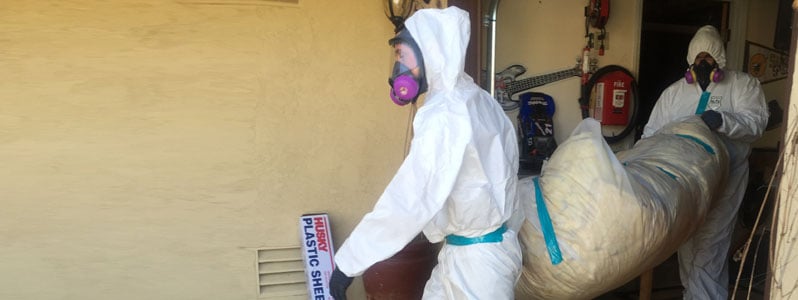
Our remediation work focuses on both the contaminated materials and the conditions surrounding them. We establish containment, remove materials that cannot remain, clean suitable structural surfaces, and confirm the area is ready for the next stage.
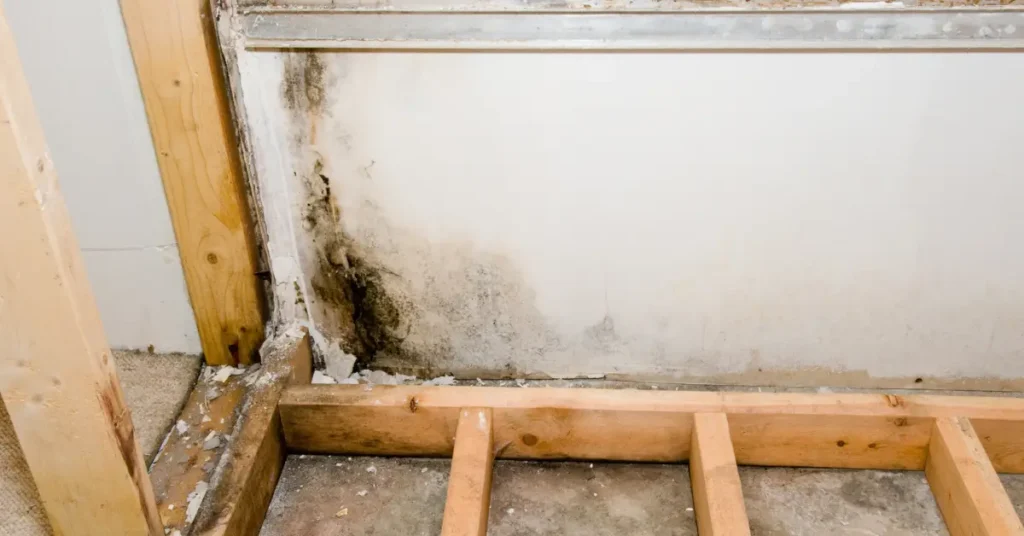
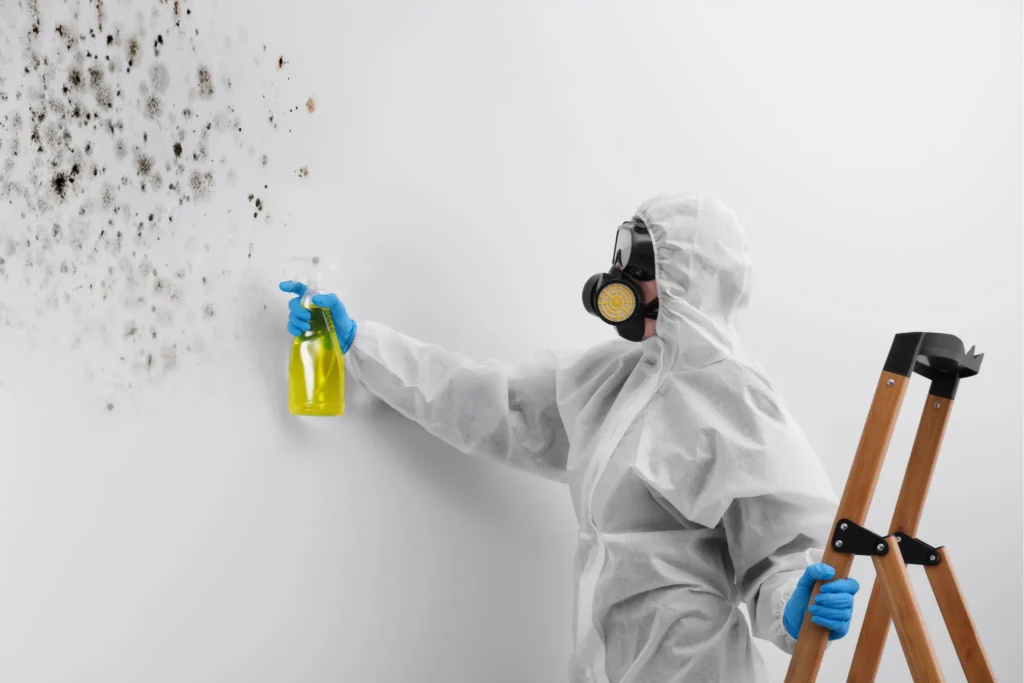
Slow plumbing leaks and water spreading across a floor can affect the lower portion of a wall. Mold may develop behind baseboards, inside drywall, or within damp insulation.
Small roof leaks can dampen insulation, sheathing, and framing without reaching the rooms below immediately. We inspect the affected attic area before determining the remediation scope.
Limited airflow can allow moisture and musty odors to remain inside closets, cabinets, and storage areas. Mold may first appear on walls, belongings, shelving, or nearby finishes.
Moisture can remain below carpet, laminate, vinyl, tile, or hardwood after the surface appears dry. We evaluate the finished flooring and supporting materials for concealed contamination.
Plumbing leaks, drainage problems, or damp ground conditions can affect crawl-space framing and subflooring. These areas require careful access and containment when mold remediation is needed.
Each mold concern requires a plan based on where the growth is located, which materials are affected, and what moisture condition allowed it to develop. Our five-step process keeps the work controlled from the first evaluation through repair preparation.
When you call, we ask about visible growth, musty odors, recent leaks, water stains, and the part of the property involved. This gives us a starting point for the evaluation.

Our team examines the visible concern, nearby materials, and moisture conditions. We use these findings to determine the boundaries of the remediation work.

We separate the work area from unaffected rooms before contaminated materials are disturbed. Filtration and other controls are arranged according to the project.
Materials that cannot remain are carefully removed. Suitable structural surfaces are then cleaned using methods appropriate for the affected material and work area.
After remediation, we check the completed space and explain any drying, moisture-control, or repair needs that remain. The area can then move into the approved restoration stage.
Mold remediation can involve hidden materials, containment barriers, removal work, and repairs after cleanup. Our team keeps each stage organized and explains why specific materials need attention.
We develop the remediation scope from the location of the mold, the materials involved, and the moisture conditions found. The work is not based only on the size of the visible stain.
Our team works with older homes, hillside properties, apartments, rental units, and commercial buildings. We adjust the remediation approach to the construction and access conditions of the property.
Containment and work-area controls help limit dust and disturbed particles from moving into other parts of your property while contaminated materials are removed.
After contaminated materials are removed and the area is cleaned, we can coordinate approved drywall, flooring, cabinet, insulation, and finish repairs needed to complete the space.

 Trustindex verifies that the original source of the review is Google.
 Trustindex verifies that the original source of the review is Google.
 Trustindex verifies that the original source of the review is Google.
 Trustindex verifies that the original source of the review is Google.
 Trustindex verifies that the original source of the review is Google.
 Trustindex verifies that the original source of the review is Google.
 Trustindex verifies that the original source of the review is Google.
 Trustindex verifies that the original source of the review is Google.
 Trustindex verifies that the original source of the review is Google.
 Trustindex verifies that the original source of the review is Google.








Paint, caulk, or surface treatment can hide discoloration temporarily while growth remains inside porous materials or behind the finished surface. The moisture condition that allowed the mold to develop may also continue.
Professional remediation identifies the affected materials and controls the area before removal begins. Our team removes contamination that cannot remain, cleans suitable surfaces, and addresses remaining moisture concerns before repairs cover the area again.
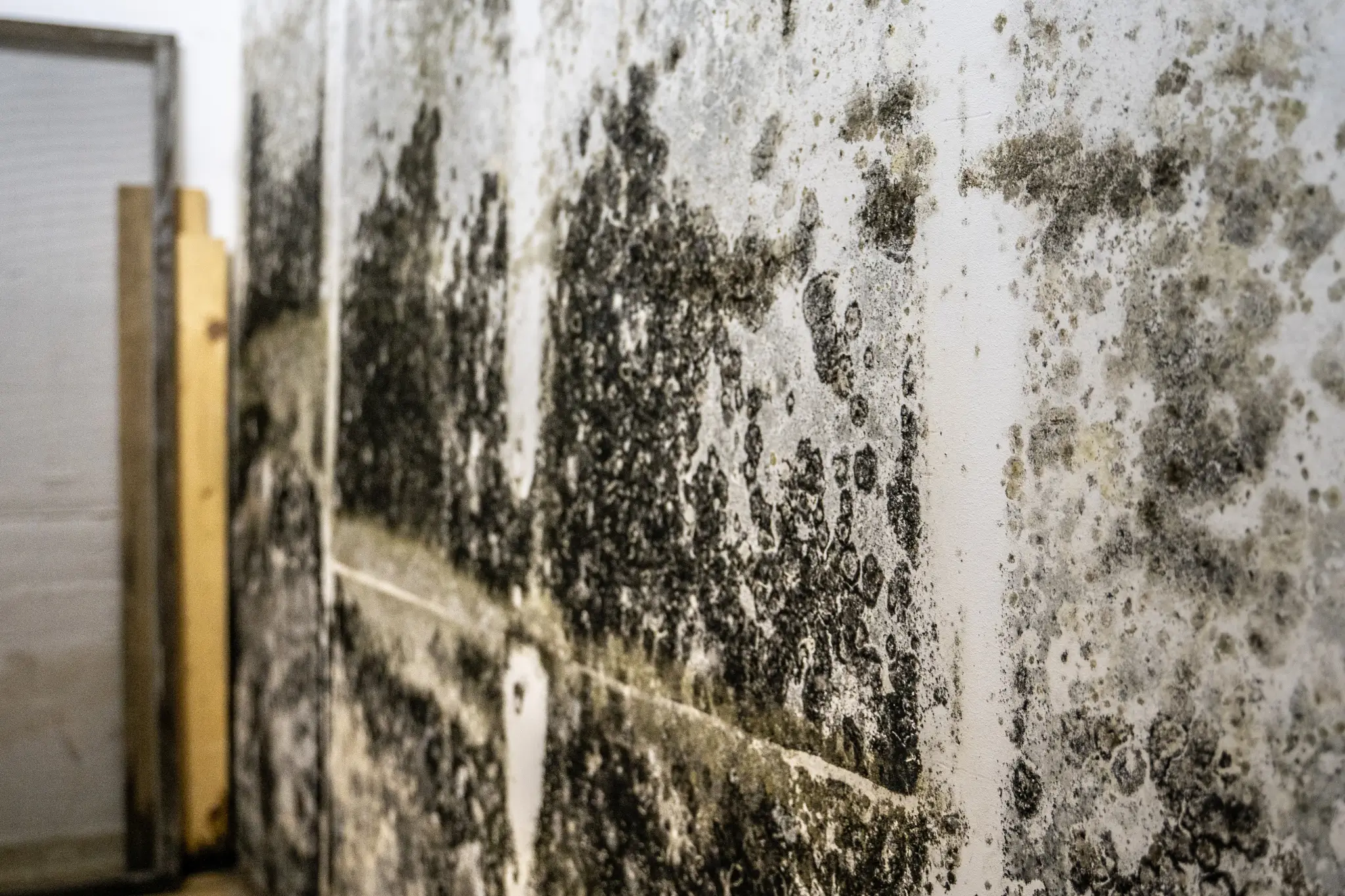
Our team provides mold remediation for single-family homes, apartments, rental properties, offices, retail spaces, and other commercial buildings across La Mesa. We assist properties near La Mesa Village, Grossmont, Lake Murray, and surrounding neighborhoods with mold connected to plumbing leaks, roof intrusion, appliance failures, and persistent indoor moisture.
La Mesa’s mix of older homes, hillside properties, apartments, and remodeled buildings creates different places for moisture to collect. Previous additions, enclosed wall cavities, crawl spaces, and multiple flooring layers can make a small leak harder to trace.
Rainwater can also reach roof materials, exterior walls, garages, and lower areas on sloped properties. Indoors, leaks around plumbing fixtures, appliances, and water heaters may remain hidden until staining, odors, or visible growth appears.
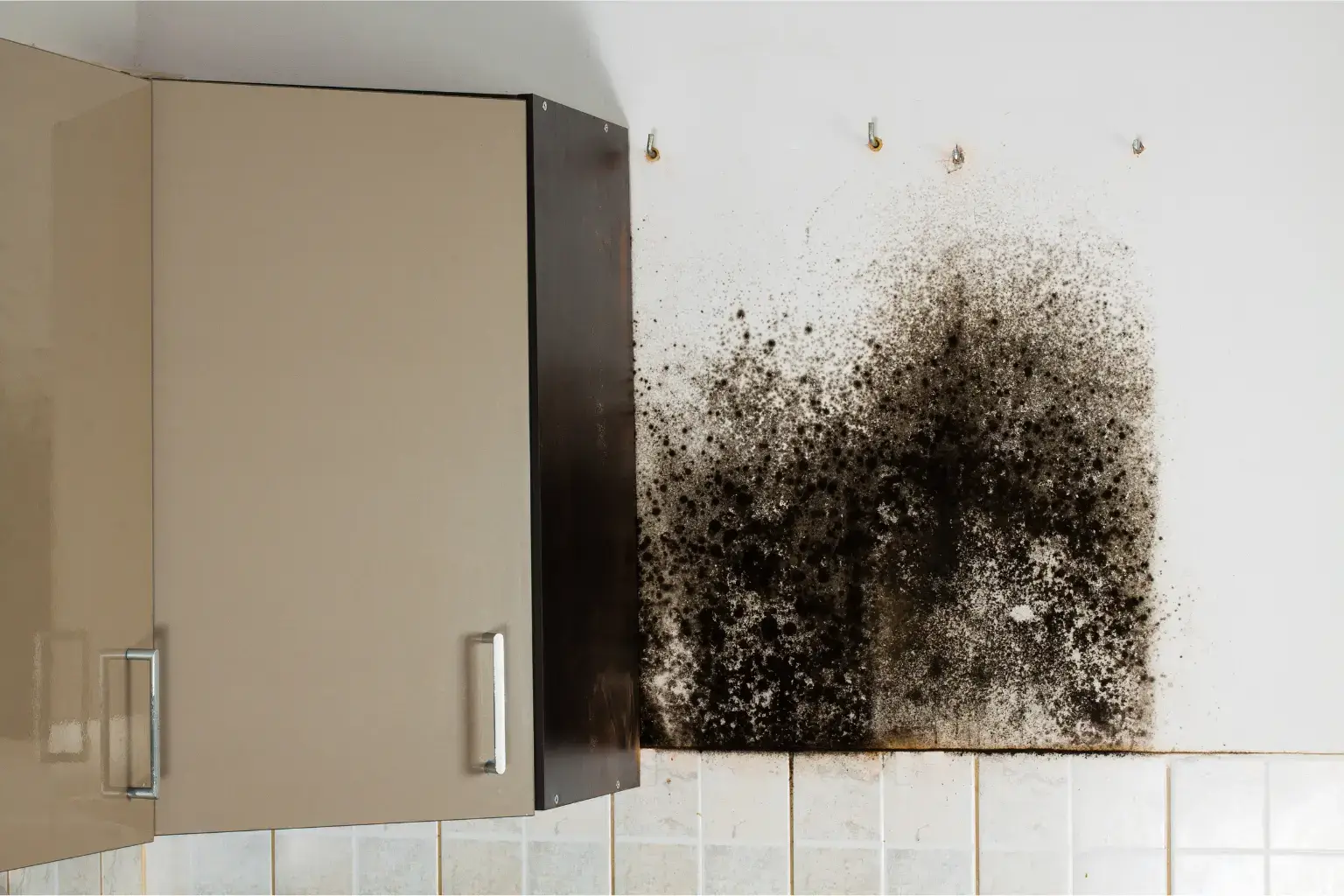
Helpful information for La Mesa homeowners, landlords, property managers, and businesses dealing with visible growth, musty odors, past water damage, or moisture inside enclosed areas.
Yes. Repairing the pipe stops additional water, but drywall, flooring, cabinets, or insulation may remain damp or contaminated. These materials should be evaluated before the wall or floor is closed again.
A continuing musty odor can point to moisture or growth inside a wall, beneath flooring, behind cabinets, or in another enclosed area. Avoid disturbing materials until the source of the odor has been evaluated.
The decision depends on the material’s condition and level of contamination. Because drywall is porous, affected sections often require removal rather than surface treatment alone.
Yes. Accessible crawl spaces can be evaluated for mold affecting subflooring, framing, insulation, and other materials. The remediation plan depends on access, moisture conditions, and the extent of the affected area.
Repairs can move forward after contaminated materials have been addressed and any remaining moisture concerns are resolved. We review the work area and explain what needs to happen before new materials are installed.

We offer a full suite of restoration services across San Diego County—all performed by our in-house team of licensed, bonded, and IICRC-certified professionals.
Water damage removal, water extraction, flood damage removal, and structural dry out services.
Facility inspection and detection using state of the art technology and thorough remediation.
We employ contents specialists to protect, restore and store your possessions.
The expertise to reconstruct your home or business better than its original state.
Our fire restoration repair team provides the highest quality fire damage restoration