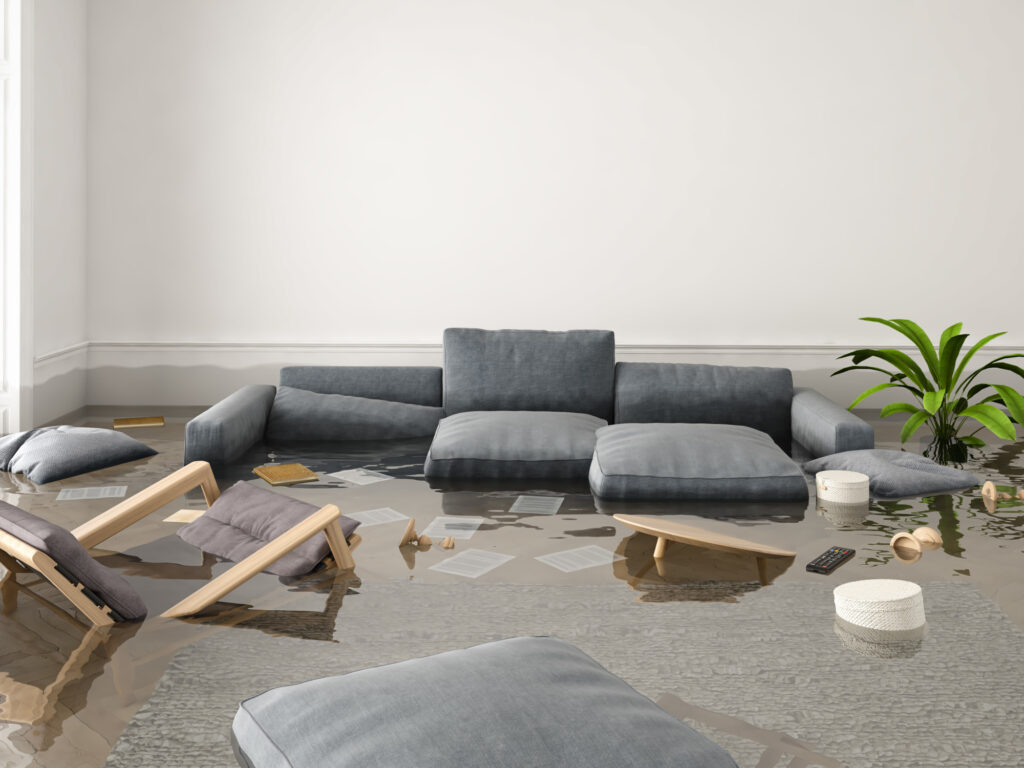
Water damage can happen quickly, but repairing it properly takes the right approach. Whether caused by a leak, flooding, or an appliance failure, understanding effective water damage repair tips can help you protect your home and avoid long-term issues.
Many homeowners focus only on removing visible water, but the real challenge is ensuring everything is fully dried, cleaned, and repaired. Without proper restoration, hidden moisture can lead to structural damage and mold growth.
This guide covers practical steps and expert advice on how to repair water damage safely and effectively.
What to Do Immediately After Water Damage
The first step in any situation is acting fast. The longer water sits, the more damage it causes.
Start by:
- Stopping the source of water if possible
- Turning off electricity in affected areas
- Removing furniture and valuables
- Contacting professionals for emergency water damage repair
Quick action is one of the most important water damage cleanup steps to minimize damage and begin recovery.
Step 1: Water Extraction and Drying
Before any repairs can begin, all water must be removed. Proper water extraction and drying is critical to prevent further damage.
Water can quickly soak into:
- Floors and carpets
- Drywall and insulation
- Structural framing
Professional services like Flood Damage Cleanup help remove standing water efficiently and safely.
Once the water is removed, drying equipment is used to eliminate hidden moisture from affected materials.
For complete drying and restoration, Water Damage Restoration ensures the home is properly prepared for repairs.
Step 2: Repairing Drywall and Walls
One of the most common repair tasks is repairing drywall after water damage.
Drywall absorbs water easily and may need to be:
- Dried and treated if damage is minor
- Cut out and replaced if saturation is severe
If drywall is not properly dried or replaced, it can lead to mold growth and structural weakening.
Step 3: Fixing Water-Damaged Floors
Another major concern is how to fix water damaged floors. Different flooring materials respond differently to water exposure.
- Hardwood may warp or buckle
- Laminate can swell and separate
- Carpet may require removal if heavily saturated
Proper drying is essential before attempting any repairs. In some cases, sections of flooring may need to be replaced entirely.
Step 4: Prevent Mold During Repairs
One of the biggest concerns during restoration is preventing mold after water damage.
Mold can begin growing within 24–48 hours if moisture is not fully removed.
To prevent mold:
- Ensure all materials are completely dry
- Use proper ventilation and airflow
- Monitor humidity levels
This is why following a complete water damage restoration process is critical before beginning repairs.
Step 5: Know When to Call Professionals
While minor water damage may be manageable, many situations require professional help to ensure proper restoration.
Professional teams can:
- Perform full water extraction and drying
- Identify hidden moisture
- Repair structural damage
- Prevent long-term issues
For urgent situations, homeowners can rely on 24/7 Emergency Services to respond quickly and begin repairs.
You can also learn more about the full recovery process in Water Damage Restoration After Flooding and why immediate action is essential.
Christian Brothers – Water Damage Repair Experts
Knowing the right water damage repair tips can help homeowners take action quickly and avoid costly long-term damage. From initial cleanup to final repairs, each step plays a critical role in restoring your home.
Christian Brothers provides professional Water Damage Restoration and Flood Damage Cleanup services throughout San Diego.
With expert care and fast response times, their team helps ensure your home is fully dried, repaired, and protected moving forward.